Inside the AmaGroove Residency bringing 13 artists together
With a new cohort set to arrive from 22–29 March at the Kromdraai Impact & Co-Creativity Hub, the AmaGroove Residency continues to redefine global music collaboration, connecting artists from South Africa, Denmark and beyond.
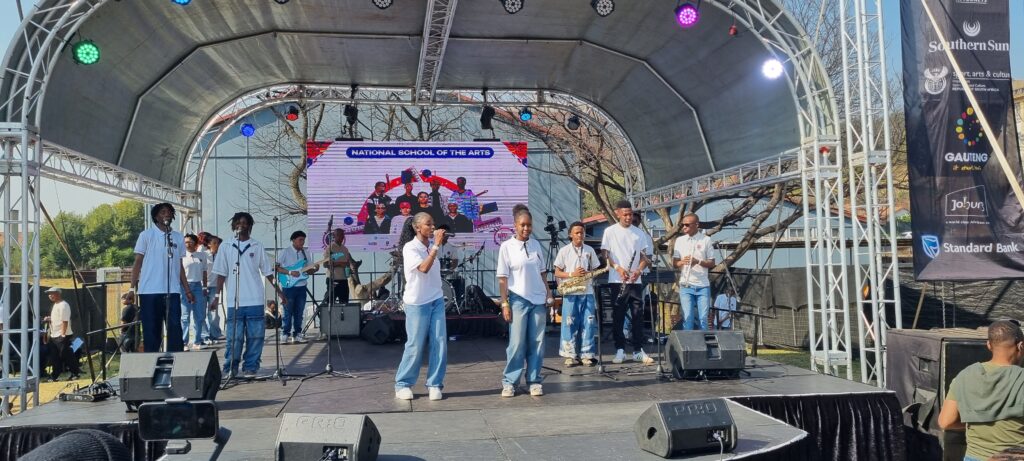
As the global music industry continues to evolve, initiatives like the AmaGroove Residency, powered by One Groove are carving out new spaces for collaboration, creativity, and cultural exchange. From 22 to 29 March 2026, a carefully curated group of 13 artists will come together in South Africa for an immersive week of music-making, dialogue, and experimentation.
Bringing together artists from South Africa, Denmark, and beyond, the residency is designed to go further than traditional writing camps, prioritising ownership, equity, and authentic collaboration in an industry that often lacks all three.
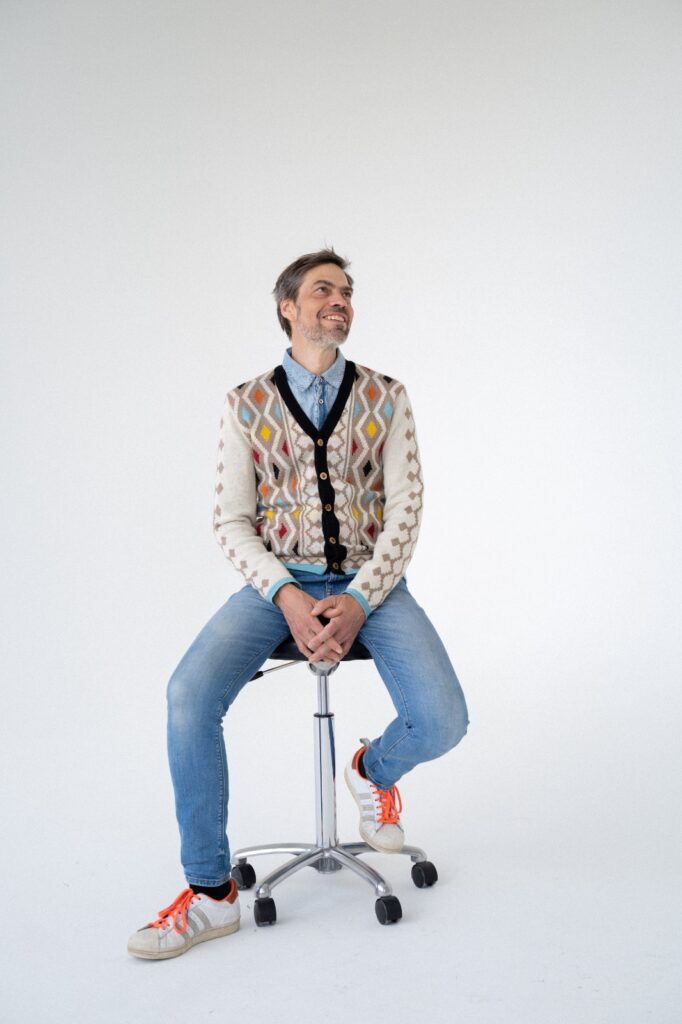
At the heart of AmaGroove is a bold mission. According to Rasmus Allin, co-founder of One Groove, the initiative exists to challenge systemic imbalances within the global music ecosystem.
“The vision is to address inequality in the music industry and create opportunities that wouldn’t otherwise happen,” he explains. “We bring artists together to collaborate freely, no briefs, no genre limitations and they retain full ownership of what they create.”
This freedom allows artists to experiment beyond their usual boundaries, while also building meaningful, long-term creative relationships. It’s a model that not only produces music, but fosters sustainable careers and cross-cultural understanding.
The residency is supported by key partners including the Riky Rick Foundation, AUTOR, the Embassy of Denmark in South Africa alongside the cultural influence of Msaki’s organisation ALTBLK, reinforcing its commitment to nurturing creativity and legacy within South Africa’s cultural landscape.
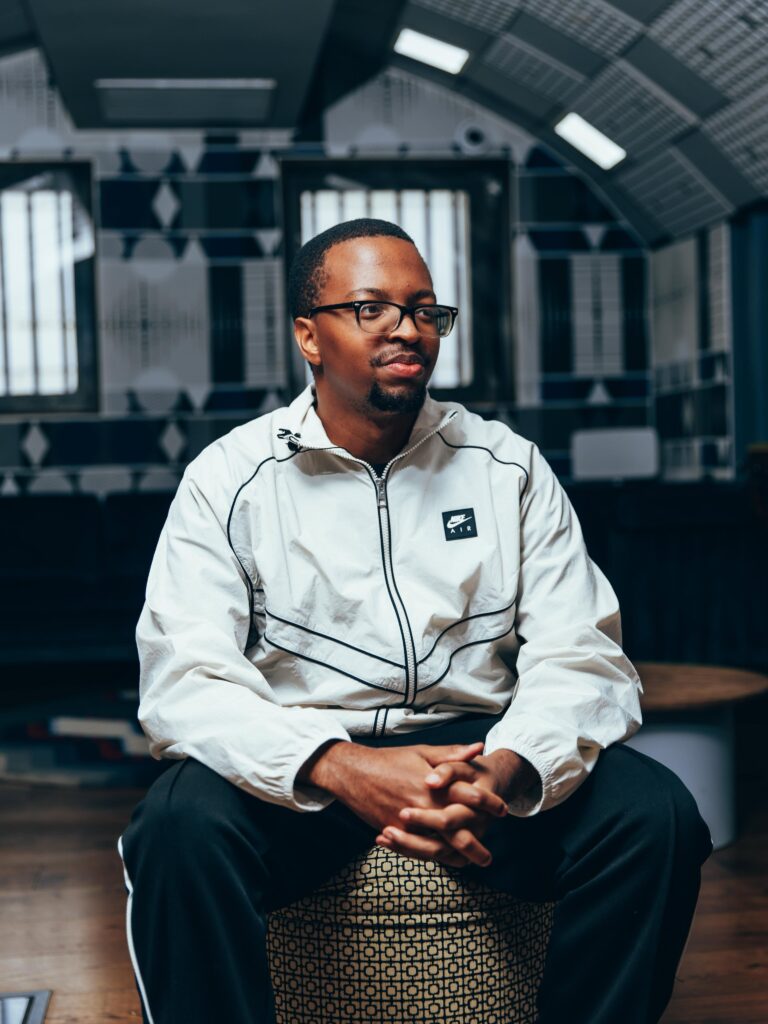
Among the 13 artists selected for the 2026 residency is South African creative Halo Yagami, who describes himself as “a hopeless romantic” and a storyteller at heart. “I fell in love with music around 14,” he says. “That love grew into storytelling, creative direction, into art as a whole. The most important instrument will always be the story, not the beat.”
As he prepares to enter the residency, Halo is particularly excited about stepping outside of his comfort zone and engaging with new creative perspectives. “I’m curious to see what we can create together, things I haven’t done before, or things I’ve done but in a completely different way,” he shares. “I love collaborating, so I don’t really see challenges, just opportunities.”
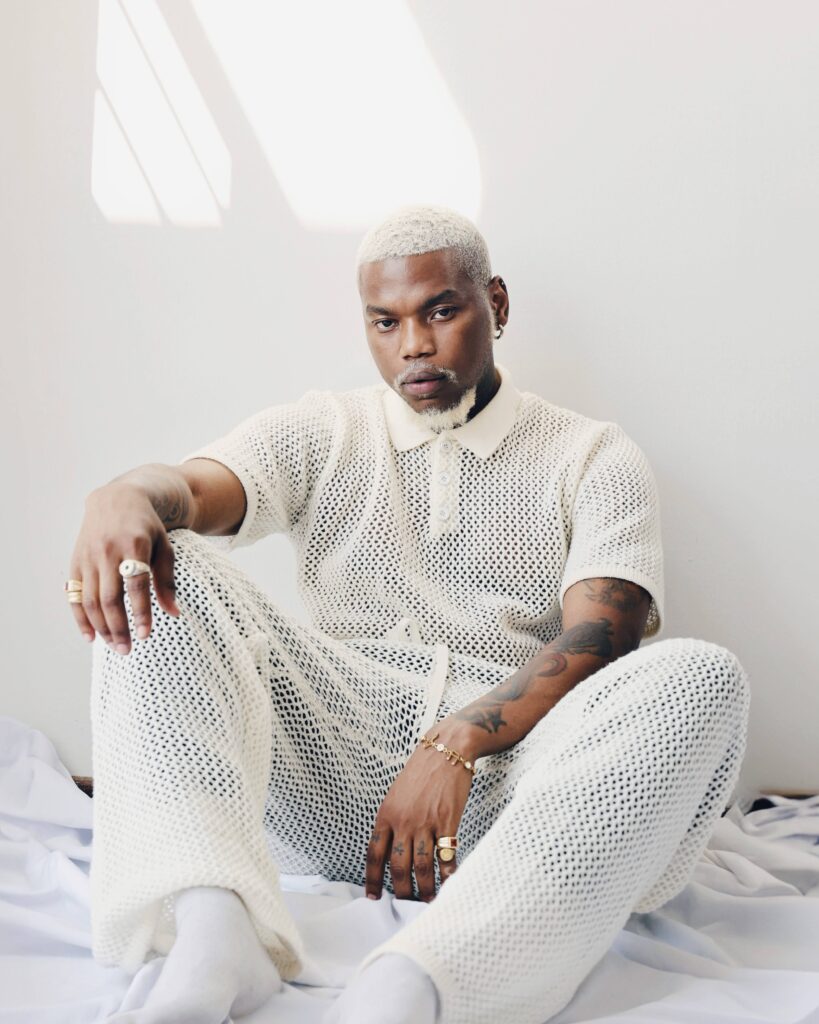
Halo also believes that global audiences are more than ready for the genre-blending sounds that often emerge from African creativity. “People’s ears have evolved,” he says. “The international audience is ready.”
While Halo represents the new wave of participants, Danish producer Carmen Tynell, known as TMI Tammi, reflects on her experience as a previous AmaGroove resident — one that reshaped her creative outlook. Known for her genre-fluid production style, Tammi entered the residency at a time when she was experiencing burnout. What she found instead was a renewed sense of purpose.
“It wasn’t about streams or status,” she recalls. “It was just about making music. Everyone was generous with their time and skills and that reminded me why I started.” Her biggest takeaway? The power of collaboration across cultures and disciplines.
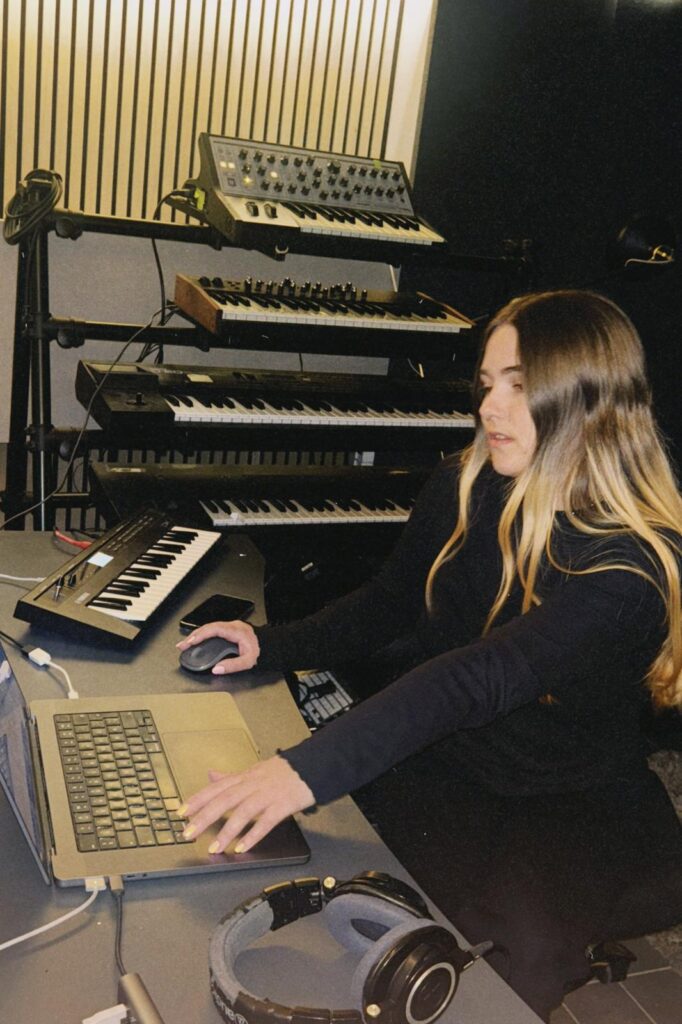
“Work with people outside your genre, outside your world,” she says. “That’s where the magic happens.” Tammi also highlights the importance of representation, particularly for women in production spaces. “You deserve to be there,” she adds. “Take up space.”
AmaGroove is intentionally designed to go beyond studio sessions. Artists are placed in rotating groups, creating music from scratch each day, a process that encourages spontaneity and equal contribution. But the experience doesn’t end there.
From mental health discussions to industry workshops and cultural excursions, the residency prioritises the human connection behind the music. These elements help build trust among participants, something Rasmus believes is essential for genuine collaboration.
“The focus is on bonding the group,” he says. “That’s why we see artists continuing to work together long after the residency ends.” As the March 2026 residency approaches, anticipation continues to build not just for the music that will be created, but for the relationships and opportunities that will emerge from it.
For the 13 selected artists, AmaGroove represents more than a moment, it’s a gateway into a global creative network that extends far beyond borders, genres, and expectations. And as One Groove continues to expand its reach, one thing is clear: the future of music collaboration is not just global, it’s intentional.