Oko Lerato Mabusela – the dynamic lyrical powerhouse that is Otarel
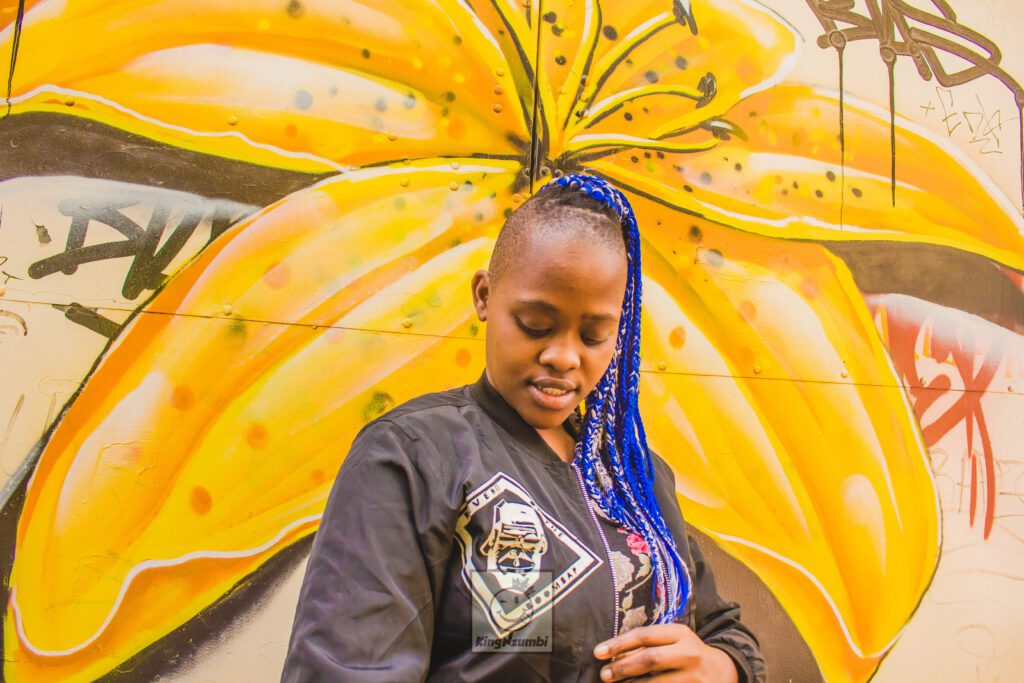
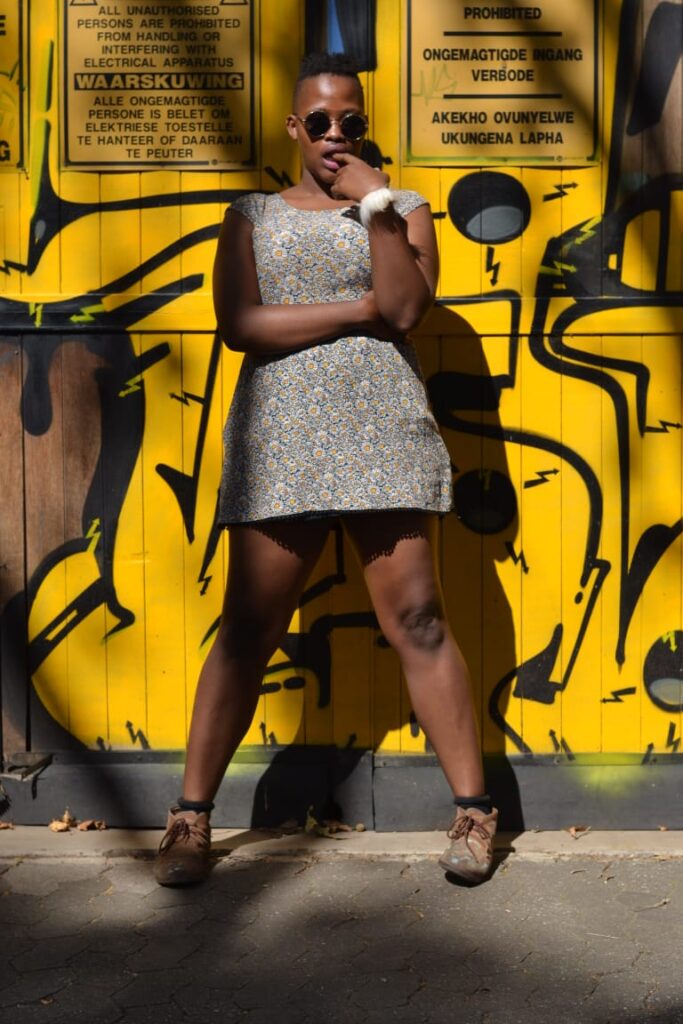
This lyrical powerhouse from the heart of Eastern Cape needs no introduction, a true hip-hop sensation, and a force to be reckoned with in the world of music – Oko Lerato Mabusela, popularly known to her fans as Otarel.
Her journey with hip-hop began at the age of 12 when she tapped into her passion for poetry. Little did she know that this initial love affair with words would evolve into a full-blown career in the rap scene.
At age 14, Otarel’s journey took a pivotal turn as she started attending cyphers at the Musgrave Bus Terminals. There, she crossed paths with the beatbox extraordinaire, Pasgenik, who not only introduced her to the world of beatboxing but also paved the way for her entry into the local rap scene.
“Rhythmic expression and a mild obsession with the English language drew me towards rap. It was a provocative way to express oneself. This later developed into a love for the culture that is hip hop. I was a bit of a loner when my family moved from the rural Eastern Cape and I had such a hard time getting along because I was an introvert and basically, a foreigner to the Zulu nation.
One day, in Primary, a mate of mine brought his CD Walkman to school and played Eminem for me. We were sitting outside, waiting for assembly to start and he was playing Slim Shady, and to my surprise, he started beatboxing along to the track. I was like “Bro, WTF is this” and Pasgenik, smiled the biggest smile I’d seen on his face for years, and he said “HIP HOP”. I needed to know more. And my journey down the rabbit hole began.”
Otarel’s first taste of the stage came through the Nowadays poetry sessions in 2004, held at the Bat Center
She continued to make her mark at Inqaba Hip-Hop sessions, which took place at the same venue every Thursday night, and at the Bling Free All Elements Battles, hosted by Ewok at Albert Park. These experiences honed her skills and allowed her to connect with fellow artists.
“The Durban hip-hop scene was so huge back then it’s almost impossible to not mention NBOTU, who were a dungeon crew full of Xhosa and Zulu abstract rappers. Then there was the Era of Inqaba where I was introduced to Optical Illusion, Dj Lab would never end a set without Busta Rhymes, P-Kuttah would never end a set without J-Dilla, Karabo was mad with the local selection and 2daXha with his underground neo hip hop/soul sets influenced me a lot more than anything.
I listened to a myriad of subgenres from dungeon to boom bap, to chopping and so forth so it’s a long list because I was a big fan of beats/production and crews, mostly, like MHz, the whole of Def Jux, MadlibxLord Quas, MF DOOM, Prokid, Jabba, Talib, Mos, Yak Ballz, Busta, and a whole lot of different emcees who were different in style.”
“In 2009 I was the first female poet to enter and win Poetry Africa’s Slam Jam Completion and was crowned their freestyle champion of that year. I spent a lot of my teenage years writing and reciting, attending poetry circles and hip-hop gigs, performing alongside some of the dopest musicians in the country and from abroad, and I felt as though I now needed to do something a bit more risqué. Rapping didn’t seem simple and learning how to freestyle at the cyphers and open mics made me more inquisitive because I never used to write but, now, I wanted to start recording.”
“The whole purpose of poetry for me was to find a way to express myself, and now that I found freestyle, I needed to grow more into the form of expression that I feel would enable me to share what I am learning and what I know, with others who will be a tribe in mind and ideology. Back then, though, I just wanted to compete. Man, there was so much going on in the scene, I didn’t want to miss a beat.”
“From Bling Free to Inqaba to Bon Hommie and sessions at Burn, I just wanted to be behind a mic. And it so happened that around that time, I was surrounded by cats like Blaq Hitilah, Kamikaze, Fire Arms, Liquid Kzn, Amphibious the Rhymestein (RIP), Topaz, Abdus, and other emcees who liked to cypher, but also, were pushing tapes. That piqued my interest as well.”
Throughout her career, Otarel has had the privilege of working and sharing stages with renowned artists like Tony Blackman (USA), Raheem Kemet, Lex La Foy, Moonchild, Zuluboy, PKuttah, and Optical Illusion. Her talents extend beyond rapping as she showcased her beatboxing skills on Lex La Foy’s project, “Sketches of the Mind.” She has continued to collaborate with various notable local artists, leaving an indelible mark on the South African music scene.
“When I worked with Liquid KZN on the Earthworm assignment joint featuring Black Moss and myself, it was my first proper studio recording session at Hitilah’s crib. I watched everyone recording and learnt about the importance of projection and how to use your body movements to help you emphasize. I learned what 16 bars are and how to structure verses.
Working with DJ Q-One, I learned a lot more about Boom Bap than I thought I knew. At this point, I had smoothed up my transition from freestyle emcee to rapper and had started experimenting a lot with different styles of flow and rhythm. I’d been part of a band with a group of phenomenal women, done live performances and had started learning how to DJ at the Bat Centre with DJ Lab, P-Kuttah, and sometimes with Karabo and 2DaXha.
So, that was a perfect opportunity to sort of define Otarel’s contribution to hip-hop. I then went and worked with a lot more dope producers and rappers who contributed heavily to the way I make music, right now, from EDM, boom bap, trap and soul. All Audio Impepho. In Joburg, I got a chance to work with a lot of skilled producers who helped me improve my music experience. Although not all the music was ever released, people who knew me during the different audio eras, know what kind of shift happened in my sound and the improvements that reflected in my content, and etiquette.”
There have been so many cherishable moments in her career.
– Competing at the Bling Free/ All Elements Hip Hop battles in the beatbox category.
– Participating at the End of The Weak Freestyle Championship and performing in front of Osmic and DJ KGB for the first time.
– Performing at the Soul Clap sessions in EL and Umtata as well as performing alongside Izinthunywa Zohlanga and Transkei Republic.
– Working with FIEH and Talksick as part of In There and Releasing “Da Biztape”
– Working with QOne on Crate Diggers.
– Releasing “DAST” Executive Produced by Oudskul and recorded at Parkville Flyness with OB Magik on the mixing.
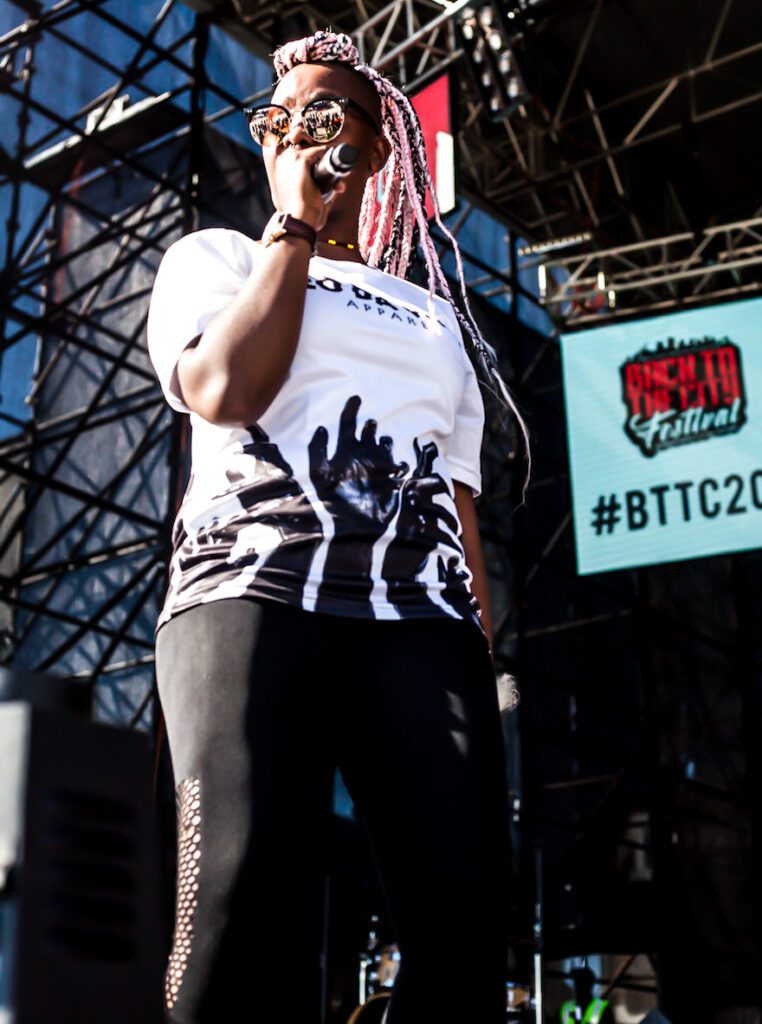
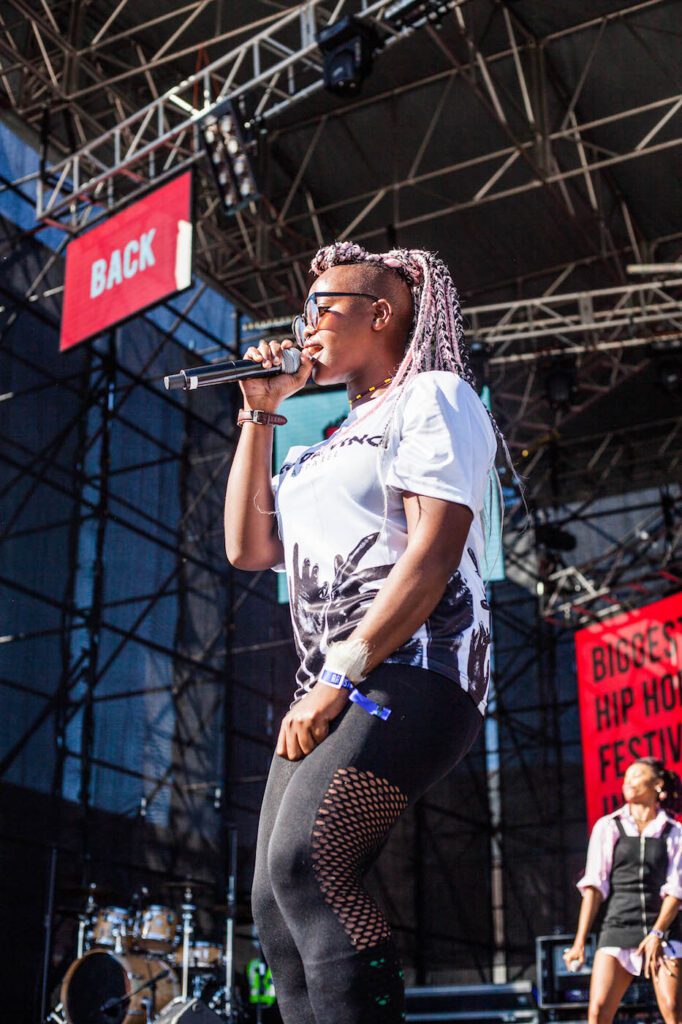
– Back to The City Play Stage in 2018 and then Main Stage in 2019 with Purple Keyz and so many more.
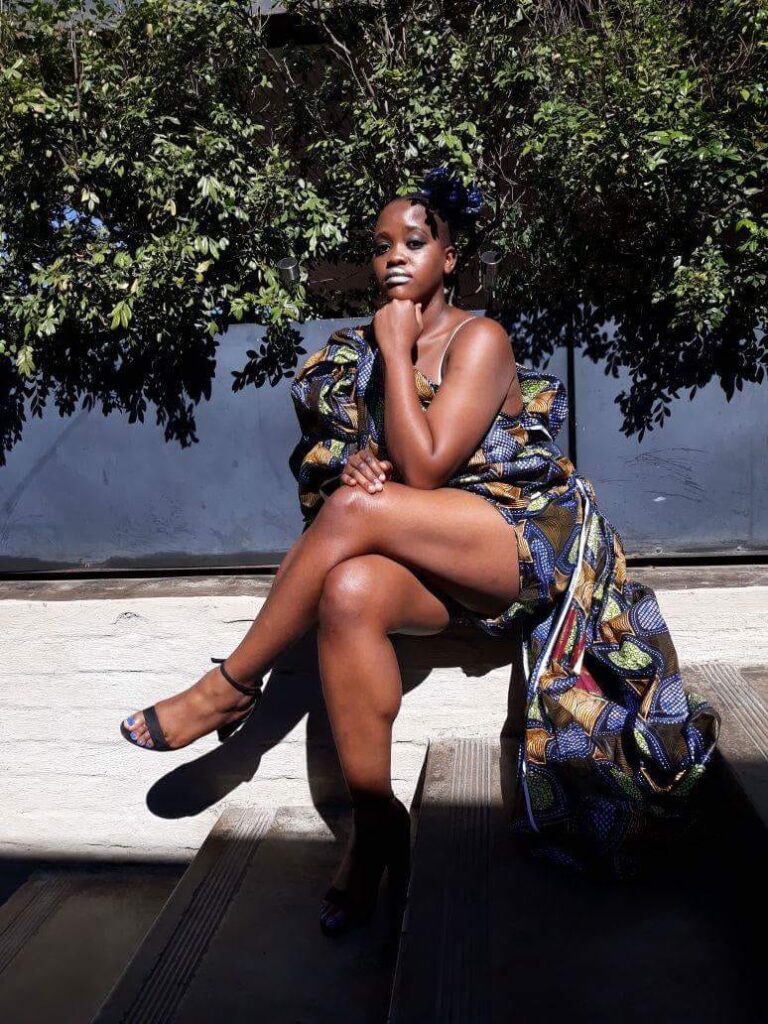
“I have been fortunate to have been recognised by good people who appreciated what I do and didn’t mind the table. I’ve even featured on Freestyle Friday and worked on a project with Mazzi, produced by Purple Keyz. It’s been a defining experience, over the past ten years,” says Otarel.
Being an independent artist can come with its own set of challenges. She explains how she overcame some of the major obstacles in her career.
“Being undermined but considered useful is probably, by far, the worst obstacle I’ve ever faced. I think allowing myself to step away and focus on other aspects of my life allows me to practice a little more resilience and humility.”
“I’ve realized that a lot of people, especially promoters with whom we enjoy personal friendships or acquaintances are usually the first people to take you for granted. I don’t want anybody to stand in front of my brand yelling that they made me who I am because, for the most part, I’ve paid my dues where relevant and I’ve delivered what was within my capacity as an artist.
I’ve started exploring so much more because of music and have had the chance to step back and enjoy some time with my family, working with my mother and siblings in ventures that require my focus. And money, guys, money. Pay artists, ninani. Pay them whatever you agreed to pay them. Kubi (it is rough)!”
She draws a lot of her lyrics from her surroundings, experiences, company and pop culture.
“I enjoy a lot of different types of genres of music and have ventured into beat making, which has opened my mind as a writer. I’ve spent a lot more time listening to everything and everyone around me, and have sort of shut out a lot of music to feel different about the things I want to talk about. Motherhood has also given me a different perspective in terms of how I write and what I write about.”
“I am an emcee! There isn’t a beat you can give me that I can’t find something to say. In a certain way that won’t make you hate the song or the message. I’m a product of the culture. I’ve spent my life surrounded by some of the most talented producers, DJs, b-boys, graffiti artists and fashionistas. I’m thoroughly schooled and cultured.”
On the advantages and disadvantages of being an independent artist as opposed to being signed to a record label, “I don’t know much about being signed from experience so I can’t speak too much on that, except for the fact that it’s a bit easier if you’re okay with not owning much of your creative product and rights.”
“I’m big on individual and collective success as a result of the former being used to empower the latter. I’ve noticed that very few, even amongst us indie artists, have entered record deals that have ended well. Some have even been bad for the artist. Whereas, independent, you have an opportunity to choose where you want to go and with whom at what cost,” she says.
At the moment she is ‘chilled’ at home working on the OTAREL that survived the 2020 lockdown and what they think is next.
“I’ve collected beats from Killa-B, BlackTears, Tipsy T, and Layster. I also owe verses to Wizdom, Double-T and Blaze. I’ve also developed a Gin label called Ka-Langa so I have plans to curate events across the country once the brand has been launched, and maybe do a few gigs from Eastern Cape to JHB to DBN, as a reflection of how far we’ve come and an ode to the people who have had my back throughout.”
Her advice to aspiring hip-hop artists looking to make a name for themselves in the industry is that they need money.
“They must make money and then make the kind of music they want because they can afford to. Freedom is in having the capacity to choose what, when, with whom and how because you can afford to make it happen. Whether it’s because you have developed a network, or are associated through friends etc., the onus is on you.”
Hip-hop culture has evolved and influenced society, particularly in South Africa.
“It has become a core staple in the South African scenes and has diversified so well that almost every nation is represented. The internet has made it possible for everybody to have access to a kind of hip-hop that they like or the resources they need to put their hip-hop out there.”
“I can express how grateful I have been to have the support of so many people across the world, musically. Somehow, even while I’m at home, the hip-hop that I am reflects everywhere I go because I still get offers to work from people I didn’t even know knew me. So, thank you all. Ningadikwa guise, the music will come, ndisa busy.”