Owza breaks down the art of curation head of Trevtober 2026
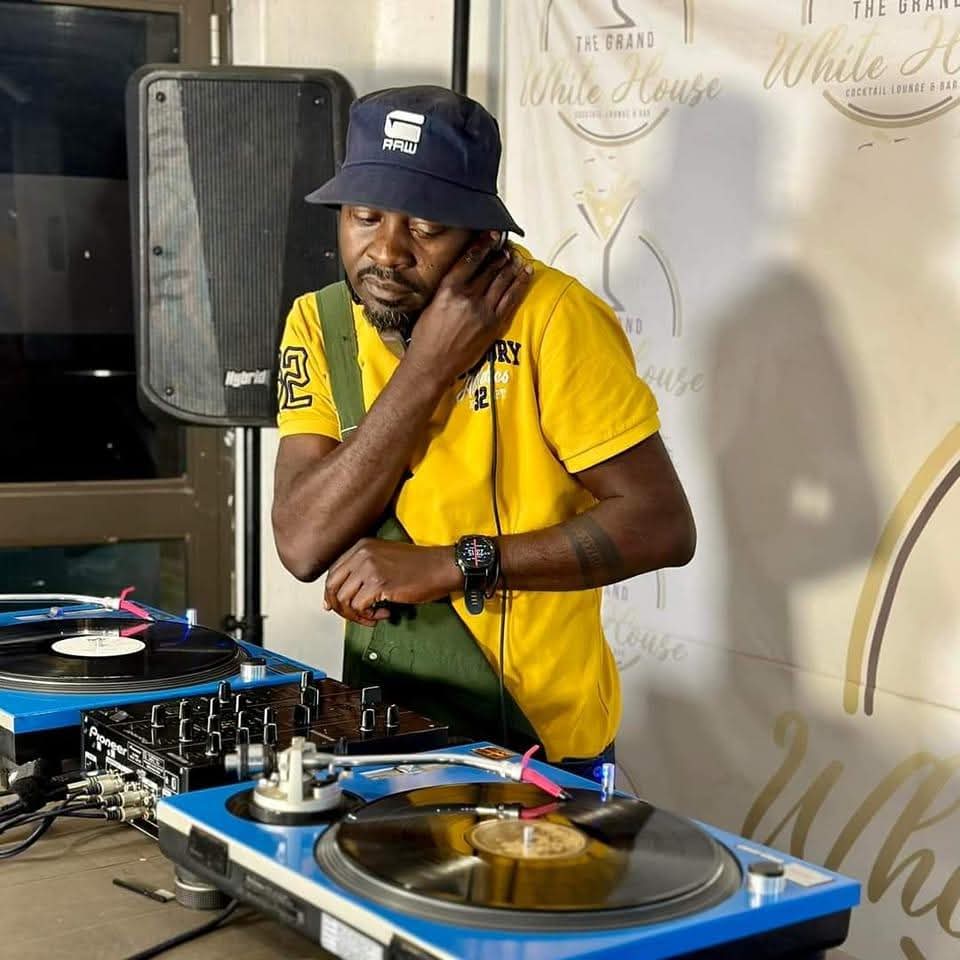
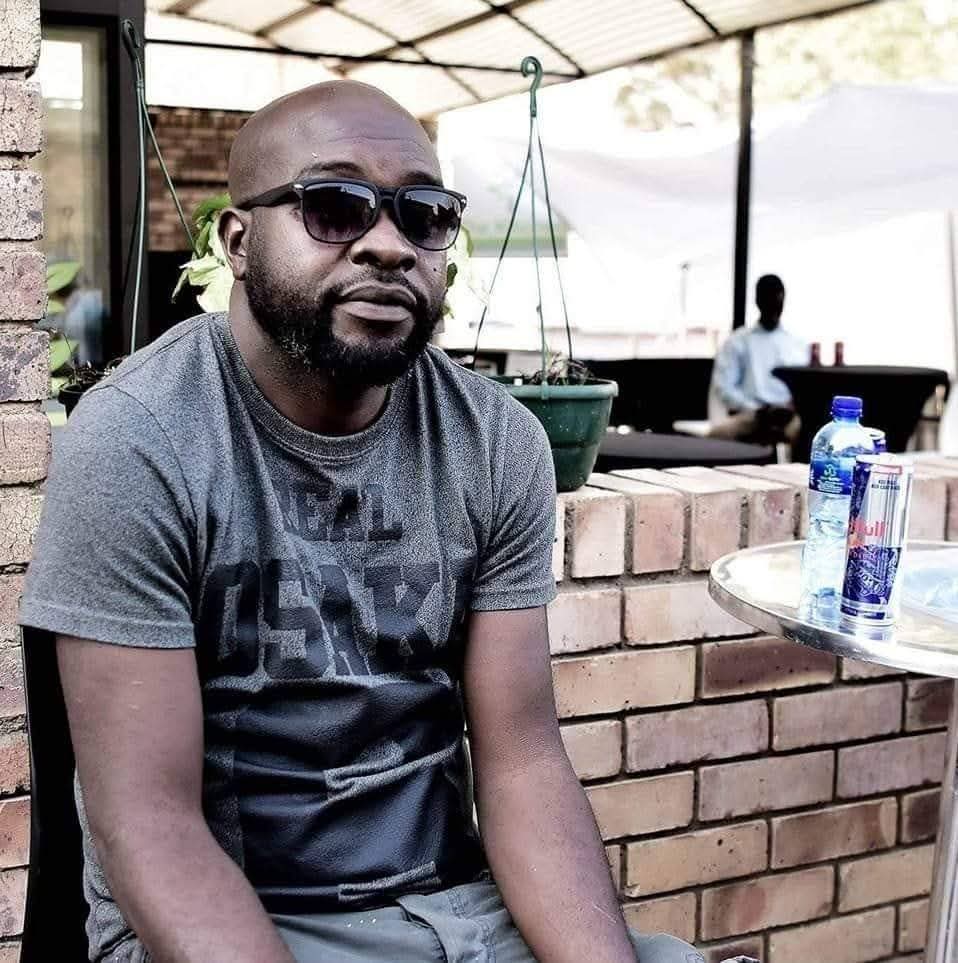
DJ Owen Shivambu. Photos: Supplied.
Long before streaming turned the world’s music catalogue into an endless scroll, there were record collections. Shelves of carefully chosen albums, sleeves worn by years of handling, and the quiet ritual of deciding what deserved to be played next.
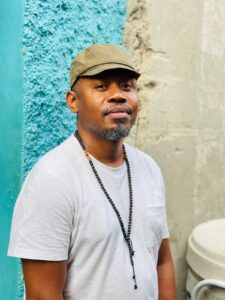
For Owen Shivambu, better known behind the decks as Owza, that world was home. Born in Tembisa and bred in Malamulele, Owza’s relationship with music began in a household where his father’s record collection provided an eclectic soundtrack to his childhood. Jazz and Soul formed much of its foundation, but the collection refused to be confined by genre. There was Abdullah Ibrahim alongside Sonny Rollins, while Bruce Springsteen, Bryan Adams and Phil Collins could just as easily find their way onto the turntable.
“I had to create and find my own path as I grew up based on the new stuff that was coming,” Owza recalls. That path eventually led him to hip-hop and house. Hip-Hop, in particular, offered a bridge between the music of his childhood and the sounds that were beginning to define his own generation. Its relationship with Jazz, particularly through sampling, gave Owza a sense of continuity between the records his father loved and the music he was discovering for himself.
It was not only about finding a genre. It was about learning to listen. Owza began DJing in the early 2000s, initially collecting house records and playing opening sets at events. Watching DJs from his neighbourhood entertain crowds with records made the possibilities tangible. What had once been something he had encountered at home became a craft he could inhabit himself.
The landscape would change. Digital DJing and CDJs became more prominent, while some of South Africa’s record shops disappeared. Like many DJs of his generation, he moved with the times. But the pull of vinyl never disappeared.
Around 2011 and 2012, he found himself among another group of collectors who were sourcing house records from overseas. The discovery of online record stores opened another world. Music that had once been difficult to find locally could now be ordered and shipped into South Africa, expanding the possibilities for DJs who were serious about building collections.
He left the digital space and returned to records. That devotion to physical music also found a home in The Garage Sessions, a collective of 12 vinyl collectors whose tastes stretch across the house spectrum. From soulful and jazzy selections to Detroit-influenced sounds, the collective reflects the diversity that can exist within a single musical ecosystem.
The Garage Sessions became more than a gathering of collectors. Its events created opportunities for different groups within the vinyl community to collaborate, while its members continued to perform individually. The collective also gave rise to gatherings such as the Hotel Randa Sunday Cookout, where food, records and community shared equal billing.
For him, that spirit of exchange is central to what music can do. It is also part of what draws him to TrevTober. Returning for its fifth edition on 24 October 2026 at Mea Culpa in Sandton, TrevTober has grown from a birthday celebration into a bigger musical and cultural experience. This year’s edition brings together international artists including Omar from the UK, Frances Jaye from the USA and Marcelo Tavares from Brazil, alongside South African selectors and live performers.
He describes TrevTober as an evolution of the Avant-Garde collective and points to its continued ability to bring international acts into conversation with South Africa’s own musical community. This year, that conversation will unfold across multiple spaces at Mea Culpa, moving from the garden to the rooftop and towards the main stage.
As for the platform he believes these spaces help bridge the divisions between genres and bring different parts of the music community into the same room.
“Come through. Have fun. And let the music do the talking,” he says.