Brian BlaQ on the business of making it in music
From radio and DJing to event promotion and label management, the South African DJ shares practical lessons on navigating the music industry, creating opportunities and building a sustainable career.
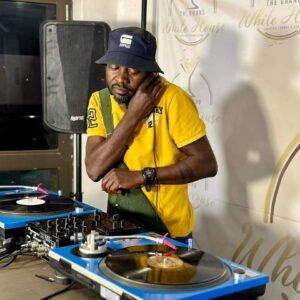
For Brian BlaQ, a career in music has never been limited to standing behind the decks. Over nearly three decades, he has worked across radio, DJing, event promotion and record label management, gaining insight into both the creative and business sides of the industry.
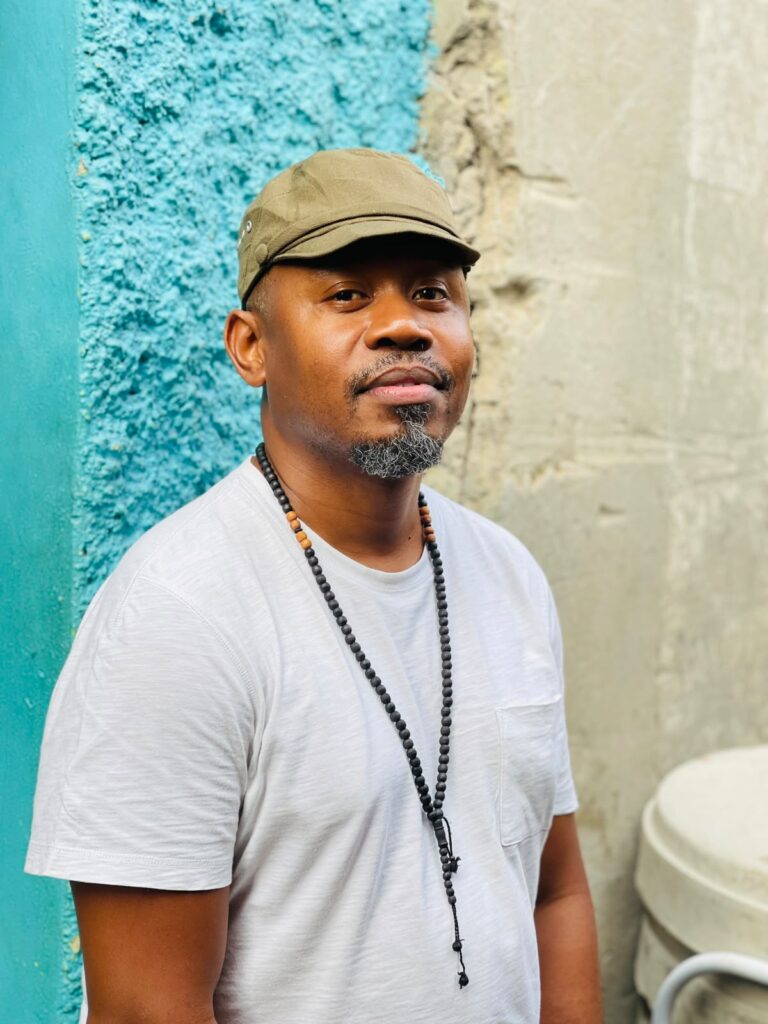
His journey has taught him that talent is only one part of building a career. Understanding the business, protecting your interests and creating opportunities are equally important, particularly for independent artists navigating an industry where income and bookings can be unpredictable. “DJing is that one hat that kind of shaped everything because with DJing came radio, eventing, label management,” Brian says.
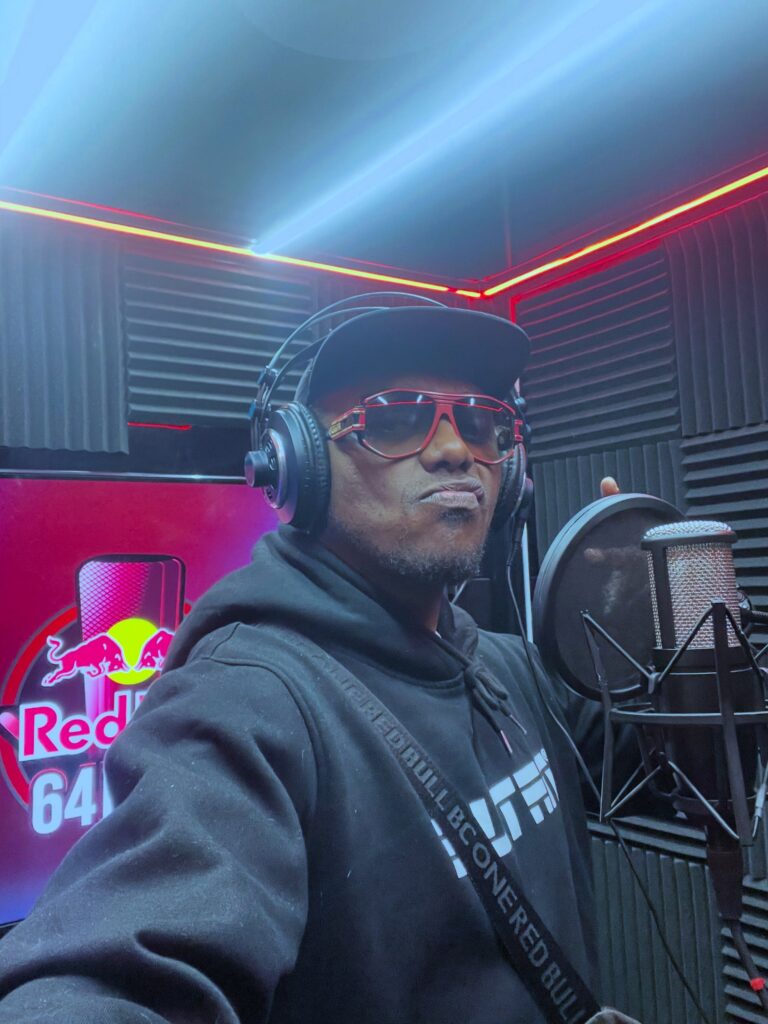
His career began in May 1998 at Boston Media campus radio, followed by stints at Voice of Soweto, Soweto Community Radio and Jozi FM. In 2000, he became a resident DJ on Aldrin Mogotsi’s Saturday show on Kaya FM, building his experience in broadcasting alongside his work as a DJ.
He later worked with Soulcandi, organised events and became involved in label management at Do It Now Records. His music projects have included Blaq Soul Sessions, which he launched at Capitol Music Café in Rosebank in 2007, as well as compilations such as Mechanix Of House Vol. 2 in 2013, Deep House Chronicles Vol. 10 in 2016 and Get Stitched Vol. 4 in 2020. The latter featured South African talent across dub, techy, minimal and deep house.
These experiences have given him a perspective that extends beyond performing, informing his advice to artists who want to build careers on their own terms.
Talent needs business sense
Working as a label manager gave Brian a close look at the challenges that arise when creative ambitions meet business agreements. He often had to mediate when artists and labels disagreed, and noticed that paperwork was sometimes overlooked in the excitement surrounding a release.
“The one thing that I picked up when I was label manager was that talent alone tends to overlook a lot of the important things like documentation, contracts, how the industry works, because the music industry is a business at the end of the day,” he says. Problems can emerge when artists expect a certain return from their music without fully understanding the agreements they have signed. For Brian, knowing what a contract says is just as important as securing the opportunity in the first place.
“Make sure that your paperwork is in order. And if you have to get a legal team to help you with that, I would strongly suggest that you do.”
For independent musicians and DJs, this means taking time to understand the terms of an agreement, the rights involved and the obligations attached to a deal. Where specialist advice is needed, seeking it before signing can help prevent disputes later.
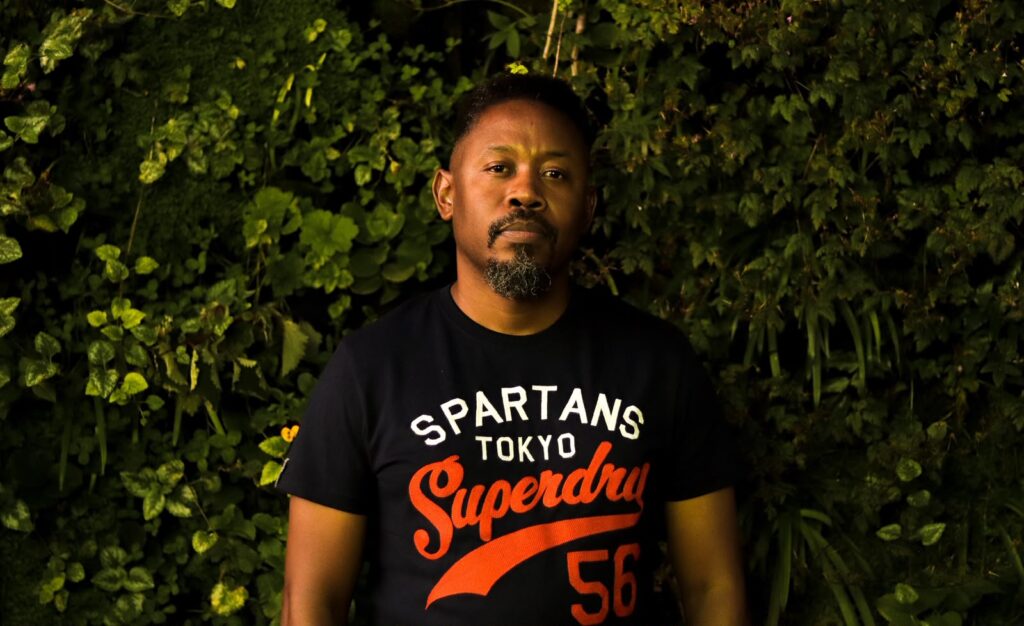
Building a career beyond performing
Brian also learnt the importance of balance when his commitments to DJing and radio began affecting his studies. In 2003, he stepped away from music for three years to complete his education, returning to the industry in 2006.
The experience changed how he viewed the demands of a music career. Passion matters, but so do planning, discipline and the ability to manage the business behind the craft. “Studying kind of sets your mind into being able to control your career, have a vision for your career, and know how to execute your career,” he explains. He believes artists need to understand the administrative and commercial responsibilities that accompany their creative work. “There’s an admin side to DJing, there’s a business side to DJing and the nightlife and whatever it is that you’re doing.”
His message is not that every artist must follow the same educational path, but that developing business knowledge can help creatives make informed decisions and build careers that are not entirely dependent on performing.
Using available resources to get noticed
For emerging artists with limited budgets, gaining industry attention can feel out of reach. Brian believes the internet has changed the possibilities available to those starting out. Social media and digital platforms allow artists to share their work, develop an audience and build visibility without relying entirely on a record label to market their music. “Social media has become way easy for people to have their talents out there,” he says. He encourages independent artists to learn how to use these platforms effectively and take greater responsibility for promoting their work. “You don’t have to be reliant on one record label to push your music.”
Simply uploading music, however, is not the only route to progress. Brian also sees the events space as an opportunity to earn money, gain experience and establish industry relationships. Artists can release music and develop an audience online, but live performances and touring can provide additional income. For those who cannot afford to organise their own events, he recommends approaching established artists and organisers to find out where they can contribute.
“If you know that there’s a DJ that you’re looking up to that is into the eventing space, it’s very easy for you to go into that event, introduce yourself, see what value you can add into that person’s growth,” he says.
Contributing to an event can help an emerging artist gain experience, build trust and potentially earn money. Over time, those relationships may create opportunities to organise events of their own and grow their audience. For Brian, the key is to approach these relationships with something to offer, rather than focusing only on what can be gained.
Turning connections into opportunities
That advice is particularly relevant as Brian prepares to perform at TrevTober 2026, which celebrates its fifth year on 24 October at Mea Culpa in Sandton. He says he had wanted to be part of the event for several years and was excited when organiser Trevor approached him about joining the line-up.
While he has an idea of the music he intends to play, he plans to adapt his set to the atmosphere on the night. “I want to go with the vibe of the event and get immersed into the event so I can play what is going to resonate at whatever time that I’m going to be put to play,” he says. For emerging artists attending TrevTober, Brian sees an opportunity to connect with people in the industry, even if they are not performing.

He encourages attendees to approach events with an open mind, listen and look for natural opportunities to start conversations with artists, DJs and organisers. “You have to establish a relationship first and that platform kind of opens up that opportunity for you,” he says.
Rather than expecting an immediate booking or mentorship, artists should focus on making a genuine introduction and following up afterwards. Explaining what they do, asking to connect on social media and sharing relevant work can give the relationship room to develop. A single conversation may not lead to an immediate opportunity, but it can establish a connection that grows over time.
Taking ownership of the journey
Brian BlaQ’s career demonstrates how DJing can open doors into other parts of the music industry, from broadcasting and events to compilations and label management. His experience also highlights the importance of understanding the business behind the creative work. For independent artists, his advice is to take contracts seriously, learn how to market themselves, develop practical skills and build relationships by contributing value. There is no guaranteed formula for success, but artists can take greater control of their careers by understanding their options and actively pursuing opportunities.